
This is the Charlottesville Podcasting Network with a longer form audio segment from something that happened this week. In this case, the election of officers for Charlottesville City Council for the next two years. I’m Sean Tubbs, and I posted a smaller version of this earlier this week in the January 2, 2024 edition of Charlottesville Community Engagement.
Every week I take the segments from that newsletter and upload them to Information Charlottesville. Sometimes I add more to the story or update it as best as I can. I’m doing that now for this story because I wanted to get some comments from City Councilor Lloyd Snook in the original version, but I had a tight deadline to meet.
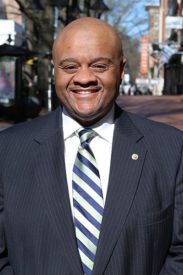
So this morning as I opened up Audition to go back and find that section for the second version, I decided why not go ahead and create something for this website as well? After all, this website is what launched my presence in this community back in 2005.
There’s no transcript for this one as I don’t want to transcribe all of this. I want people to hear the voices of the people who make decisions on our behalf. So this year I hope to offer more on this website because it’s very much part of the Town Crier Productions world.
The first meeting each year of legislative bodies in most of Virginia’s localities starts a little bit different than all of the others. The community’s executive leader or another top official starts begins as presiding officer because one hasn’t been selected yet.
That was the case on January 2, 2024, when Charlottesville City Manager Sam Sanders opened the meeting followed by the calling of the roll by Clerk Kyna Thomas. Take a listen to see how it went!
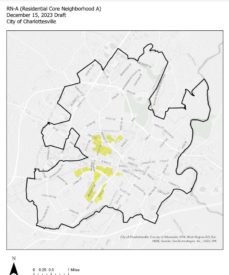 On December 18, 2023, Charlottesville City Council unanimously adopted a new zoning code intended to make it easier for developers to build more housing. The idea is that increased supply will bring down the overall cost. Another idea is to increase requirements for developers to build affordable units.

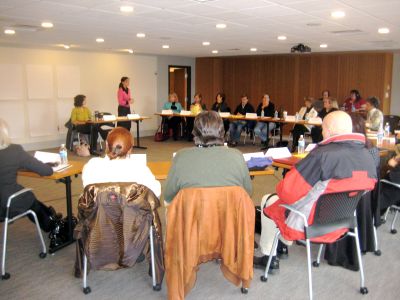
 Four years ago, the
  And now, the second installment of my series on Virginia’s eugenics movement, produced seven years ago with a grant from the Virginia Foundation for the Humanities.
 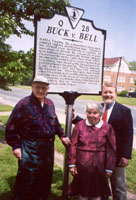 Since posting the first story last week, I was contacted by Paul Lombardo, the U.Va historian and bioethicist whose scholarship helped revive academic attention into this chapter of American and Virginia history. Paul tells me he’s writing a book on
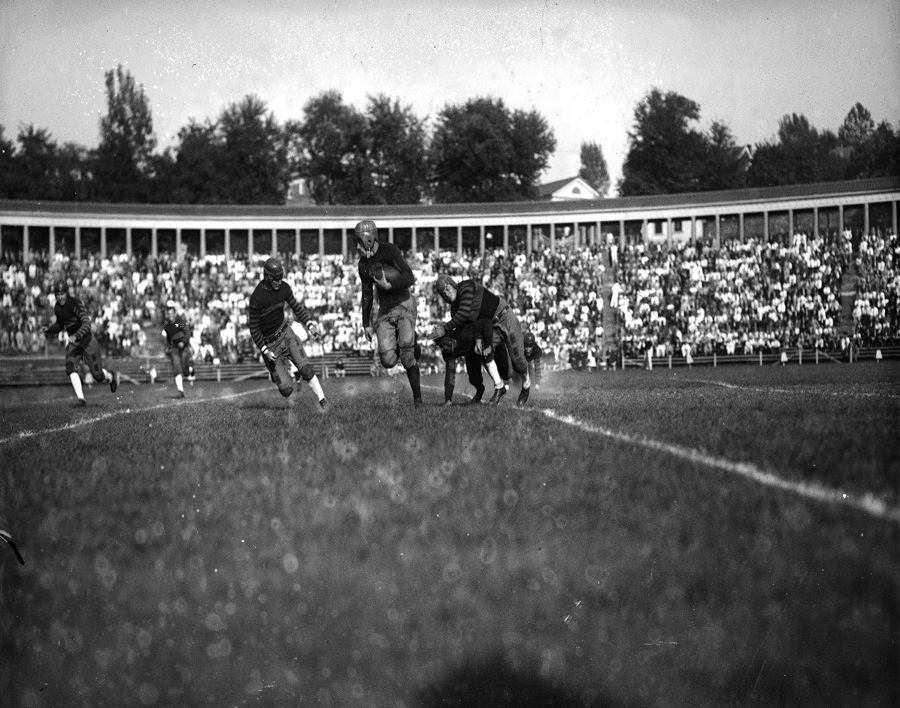
 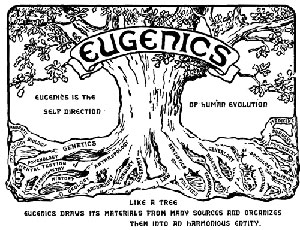 In 2001, the Virginia General Assembly passed a resolution expressing the state’s “profound regret” over its role in the eugenics movement. More or less passed over in the history books, Virginia played a pivotal role in government sanction of a policy where the mentally ill and indigent were sterilized so they would not pass their genetic material on to other generations. In 1924, the U.S. Supreme Court upheld the practice in